
Products
Our range
Our Concrete Product Solutions
High-performance mixes engineered for every construction need
Standard Mix Concrete
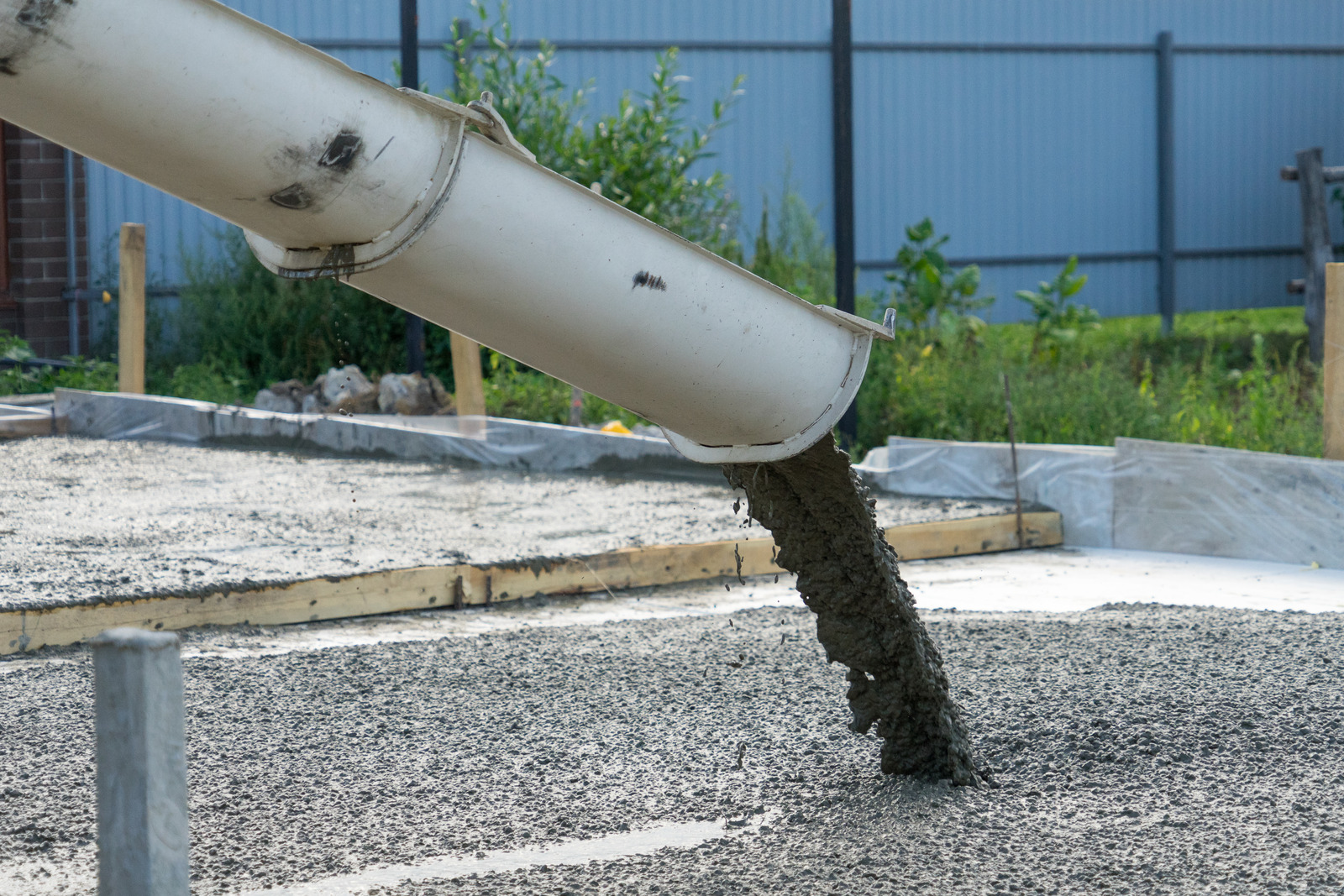
Standard Concrete is the most commonly used ready-mix concrete designed for general construction applications. It offers consistent strength, workability, and durability suitable for foundations, slabs, columns, and beams in both residential and industrial projects.
M10–M35
75–150 mm
Up to 99%
Premium Mix
High Stability
Standard Grade
30% Faster
Zero Wastage
Smooth Finish
All Projects
Key Benefits:
- Uniform quality and reliable strength across batches.
- Cost-effective solution for general construction.
- Easy to pump, place, and finish at site.
- Manufactured under strict quality control using premium materials.
Technical Specifications:
- Grade Range: M10 to M35
- Compressive Strength: 10–35 MPa (28 days)
- Aggregate Size: 10mm / 20mm as per mix design
- Slump: 75–150 mm (adjustable for site conditions)
- Cement Type: OPC / PPC based on project requirement
Applications:
- Foundations, columns, beams, and slabs
- Pavements and walkways
- Residential and small commercial structures
- Precast concrete elements
Advantages:
- Stable performance under standard site conditions.
- Reduces on-site mixing errors and material wastage.
- Ensures consistent setting time and strength development.
- Ideal for bulk concrete supply with predictable results.
High-Strength Concrete (HSC M50+)
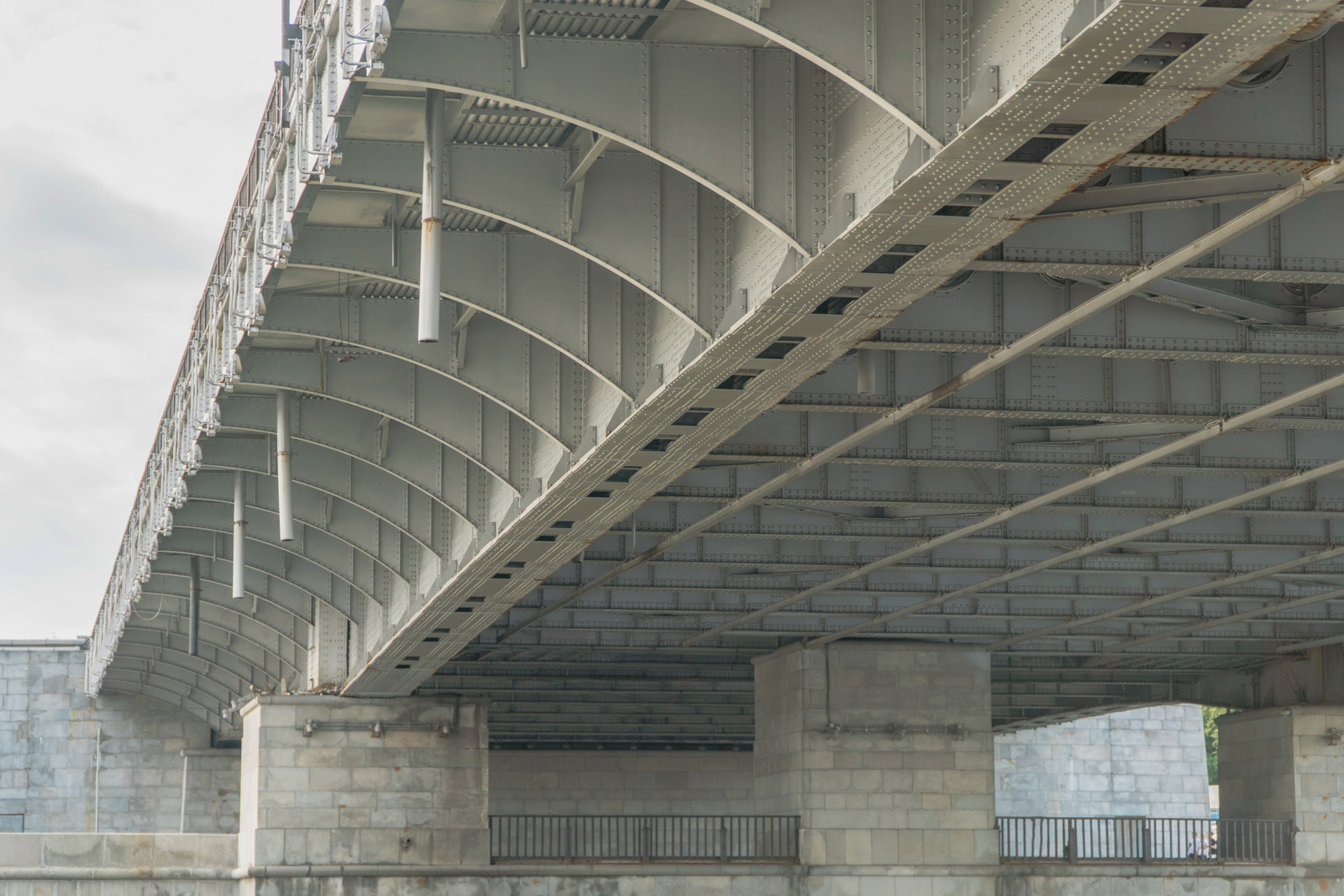
High Strength Concrete (HSC) is an advanced-grade concrete mix engineered to deliver exceptional compressive strength, superior durability, and long-term structural performance. It is widely used in projects that demand reliable support for heavy loads, high-rise structures, and challenging structural conditions. With enhanced admixtures, optimized aggregate grading, and a carefully controlled water–cement ratio, this mix offers outstanding strength and performance for critical construction applications.
M60–M80+
100–150 mm
0.25–0.35
2400–2500 kg/m³
30–40 GPa
Hyper Plasticizer
High Rating
High-Density
Premium Class
Superior Rating
Key Benefits:
- Superior compressive strength
- Reduced permeability
- Higher durability
- Excellent load-bearing capacity
- Low shrinkage performance
- Longer structural lifespan
Technical Specifications:
- Strength range: M60–M80+
- Slump: 100–150 mm
- W/C ratio: 0.25–0.35
- Admixtures: Super & hyper plasticizers
- Aggregate type: High-grade crushed
- Density: 2400–2500 kg/m³
- Supplementary Cementitious Material:
Micro Silica (Silica Fume) used at 5%–10% of cement content, as per structural and performance requirements, to enhance compressive strength, durability, and reduced permeability.
Applications:
- High-rise buildings & towers
- Heavy-load industrial structures
- Bridge piers, girders & flyovers
- Precast & pre-stressed concrete elements
- Commercial infrastructure with high load demand
- Metro, tunnel, and highway structures
- Warehouses & logistic hubs needing stronger slabs
- Projects requiring long-term structural reliability
Advantages:
- Higher structural efficiency
- Improved durability in harsh conditions
- Better resistance to heavy loads
- Reduced section thickness possible
- Enhanced safety factor
- Lower maintenance needs
Self-Compacting Concrete (SCC)
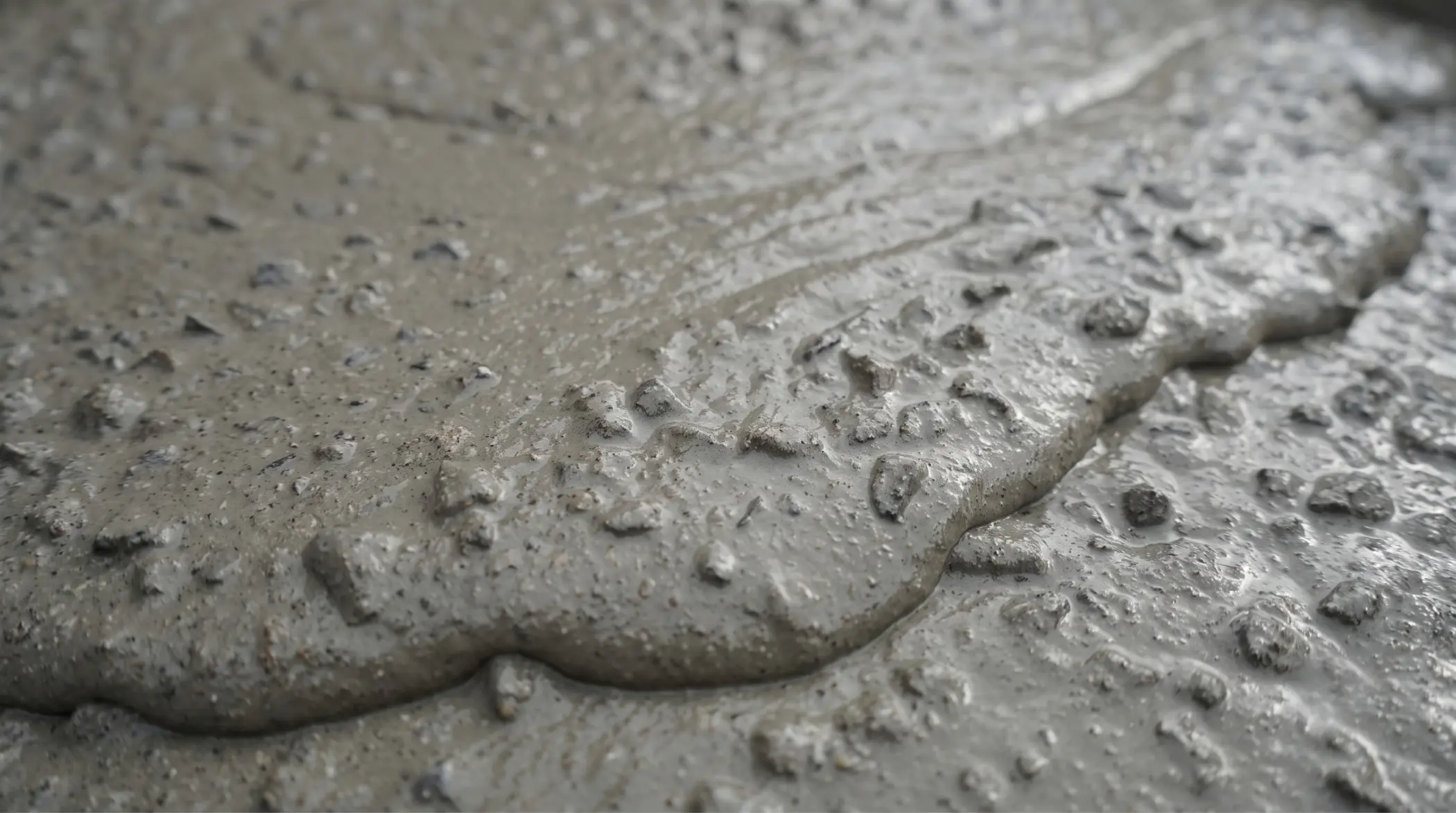
Self-Compacting Concrete (SCC) is a high-performance concrete that can flow, spread, and compact on its own without the need for vibration. Its rheology-controlled mix makes it ideal for congested reinforcement, complex formwork, and high-finish structural elements. SCC ensures superior surface finish, uniform strength, and faster construction efficiency.
600–750 mm
2–7 Sec
0.8–1.0
M25–M60
6–12 Sec
Class A
0.30–0.40
High
Low
2350–2450 kg/m³
Key Benefits:
- No Vibration Required
- Highly Flowable & Stable
- Perfect for Dense Reinforcement
- Superior Surface Finish
- Improved Durability
- Reduced Labor Effort
- Faster Placement Speed
Technical Specifications:
- Grade Range: M25–M60
- Slump Flow: 600–750 mm
- T50 Flow Time: 2–7 seconds
- L-Box Ratio: 0.8–1.0
- V-Funnel Time: 6–12 seconds
- Segregation Resistance: High
- Water–Cement Ratio: 0.30–0.40
- Admixtures: Superplasticizer & Viscosity Modifying Agents
- Surface Finish: Class A Smooth Finish
- Density: 2350–2450 kg/m³
Applications:
- Complex Formwork Structures
- Buildings with Dense Reinforcement
- Architectural Concrete
- High-Rise Construction
- Industrial Floors
- Precast Elements
- Columns, Beams & Walls
- Bridges & Metro Structures
- Tunnel Linings
- Repair & Rehabilitation Works
Advantages:
- Consistent Quality — segregation-free, smooth compaction
- Silent Construction — vibration-free operation reduces noise
- Better Structural Integrity — uniform void-free filling
- High Architectural Finish — ideal for exposed concrete surfaces
- Reduced Workforce Requirement
- Fewer Equipment Needs — no vibrators or compaction tools
- Improved Productivity
- Excellent Pumpability
- Minimizes Honeycombing
- Ideal for Large Concrete Pours
PP Fiber-Reinforced Concrete/ (FRC)
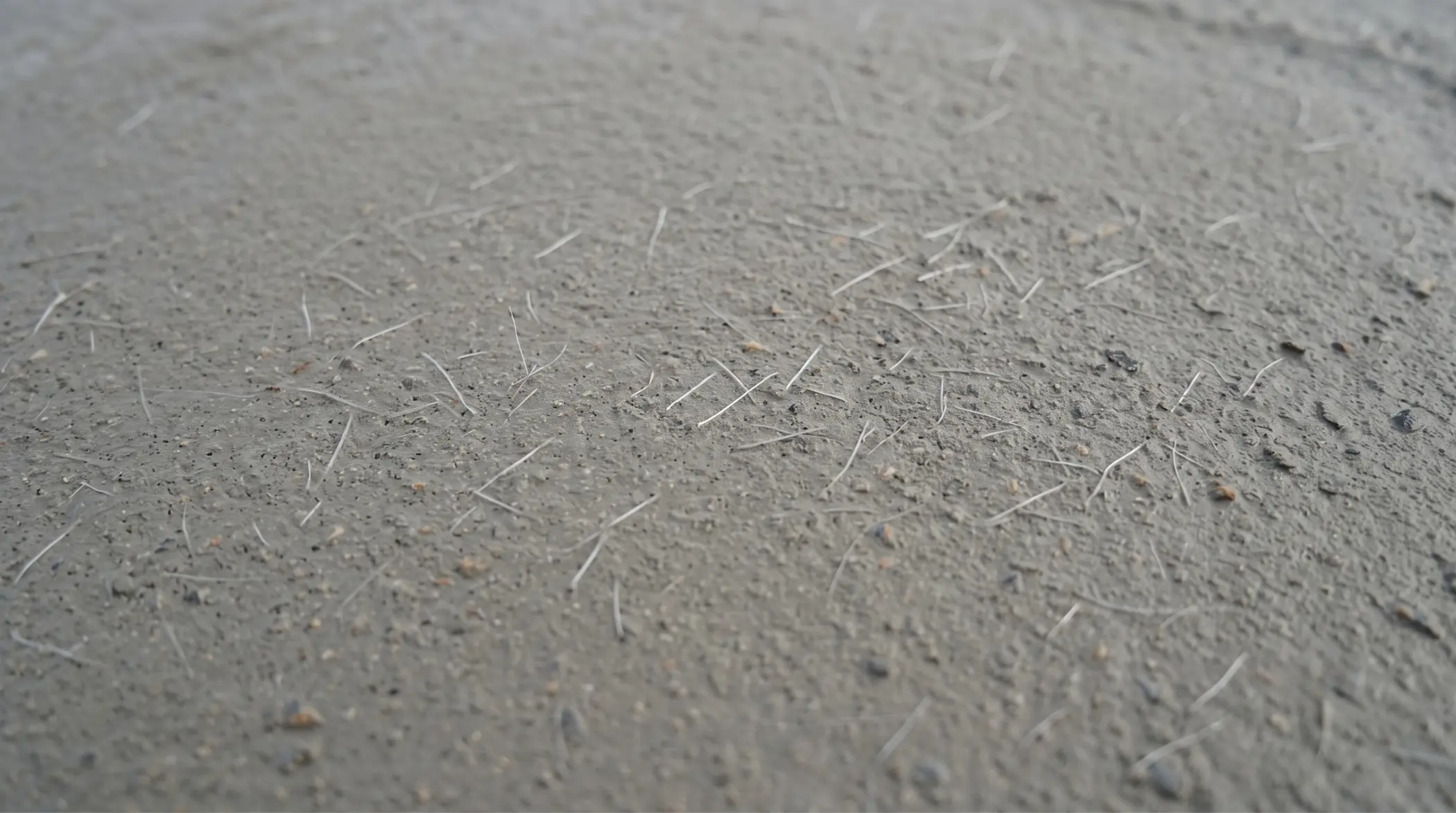
PP Fiber Concrete (Polypropylene Fiber Concrete) is a high-performance concrete mix designed for micro-crack control, shrinkage reduction, and enhanced durability. Uniformly dispersed polypropylene fibers help minimize plastic shrinkage cracks and significantly improve the surface strength and overall toughness of the concrete.
0.9–1.2 kg/m³
6–12 mm
M20–M40
Up to 80%
300–400 MPa
Polypropylene
160–170°C
0.90–0.92 g/cm³
3–5 GPa
High Rating
Key Benefits:
- Reduced shrinkage cracking
- Better surface durability
- Improved impact resistance
- Enhanced toughness
- Increased abrasion resistance
- Cost-effective reinforcement
Technical Specifications:
- Fiber dosage: 0.9–1.2 kg/m³
- Fiber length: 6–12 mm
- Grades: M20–M40
- Melting point: 160–170°C
- Tensile strength: 300–400 MPa
- Mix type: Micro-reinforced
Applications:
- Industrial floors and commercial slabs
- Screed layers and overlays
- Residential flooring and pavements
- Precast elements needing crack reduction
- Plaster, mortar, and repair works
- Roads, pavements, and walkways
- Warehouses and low-rise structures
- Projects requiring shrinkage control and toughness
Advantages:
- Controls plastic shrinkage
- Improves crack resistance
- Enhances surface life
- Provides uniform reinforcement
- Lightweight and easy to mix
- Reduces maintenance cost
Steel Fiber Concrete
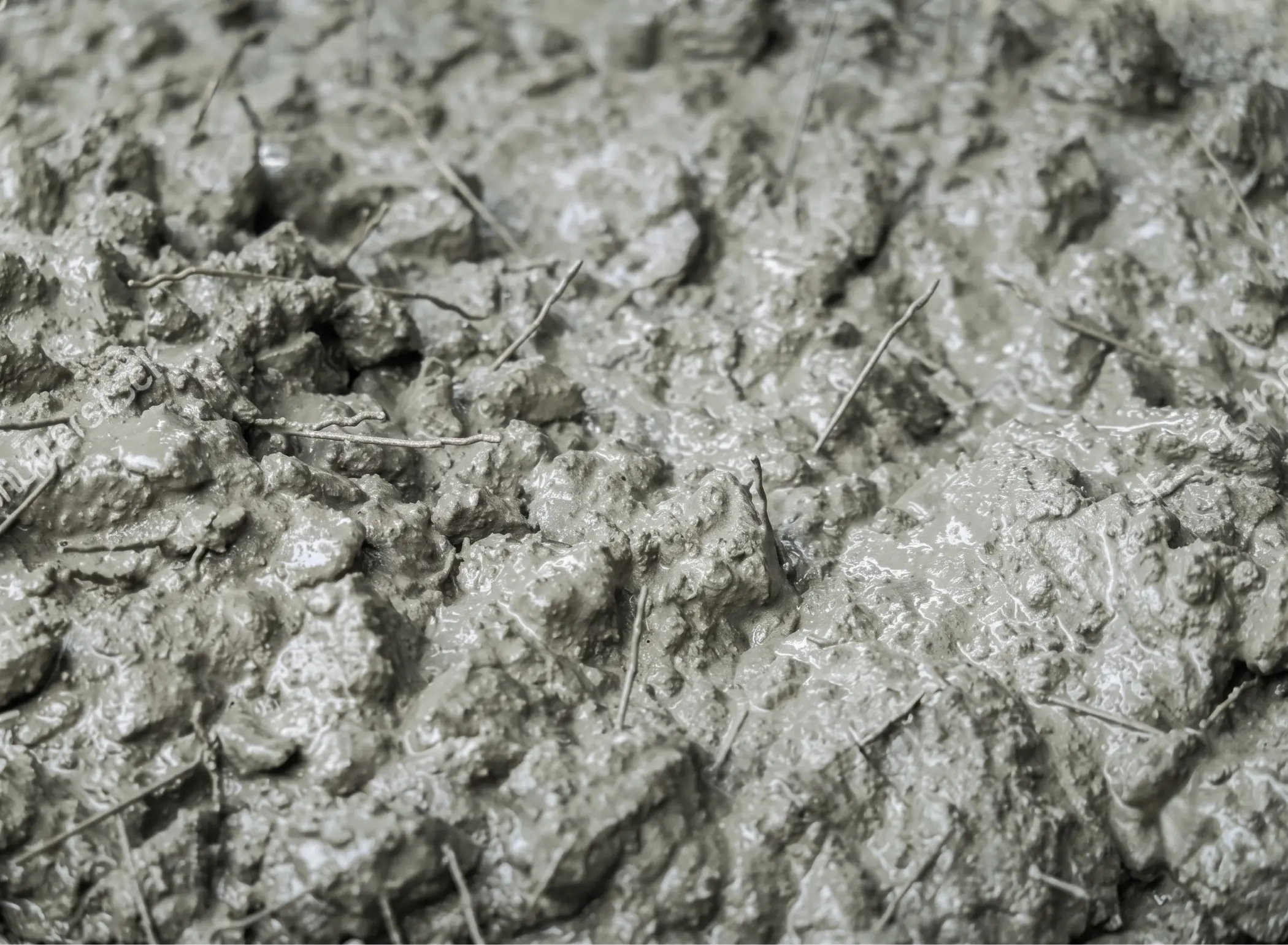
Steel Fiber Concrete is a high-performance concrete reinforced with uniformly dispersed steel fibers, providing exceptional tensile strength, crack resistance, and durability for heavy-duty industrial and infrastructure projects.
30–80 mm
M25–M50
75–150 mm
+40% to +80%
5–7 MPa
Hooked-End Steel
Up to 80%
High Rating
1100 MPa
Key Benefits:
- High tensile strength
- Superior crack control
- Impact resistance
- Long-term durability
- Better load distribution
- Reduced reinforcement needs
Technical Specifications:
- Fiber dosage: 20–40 kg/m³
- Fiber type: Hooked-end steel
- Grades: M25–M50
- Slump: 75–150 mm
- Length: 30–60 mm fibers
- Tensile strength: Enhanced range
Applications:
- Industrial floors requiring high wear resistance
- Heavy-duty pavements & loading areas
- Warehouse slabs and container yards
- Tunnel linings & shotcrete applications
- Precast elements needing enhanced durability
- Bridge decks, highways & transport infrastructure
- Areas exposed to dynamic or impact loads
Advantages:
- Reduced cracking
- Improved ductility
- Higher fatigue resistance
- Longer service life
- Less maintenance
- Enhanced structural performance
Pervious / Porous Concrete (Permeable Concrete)
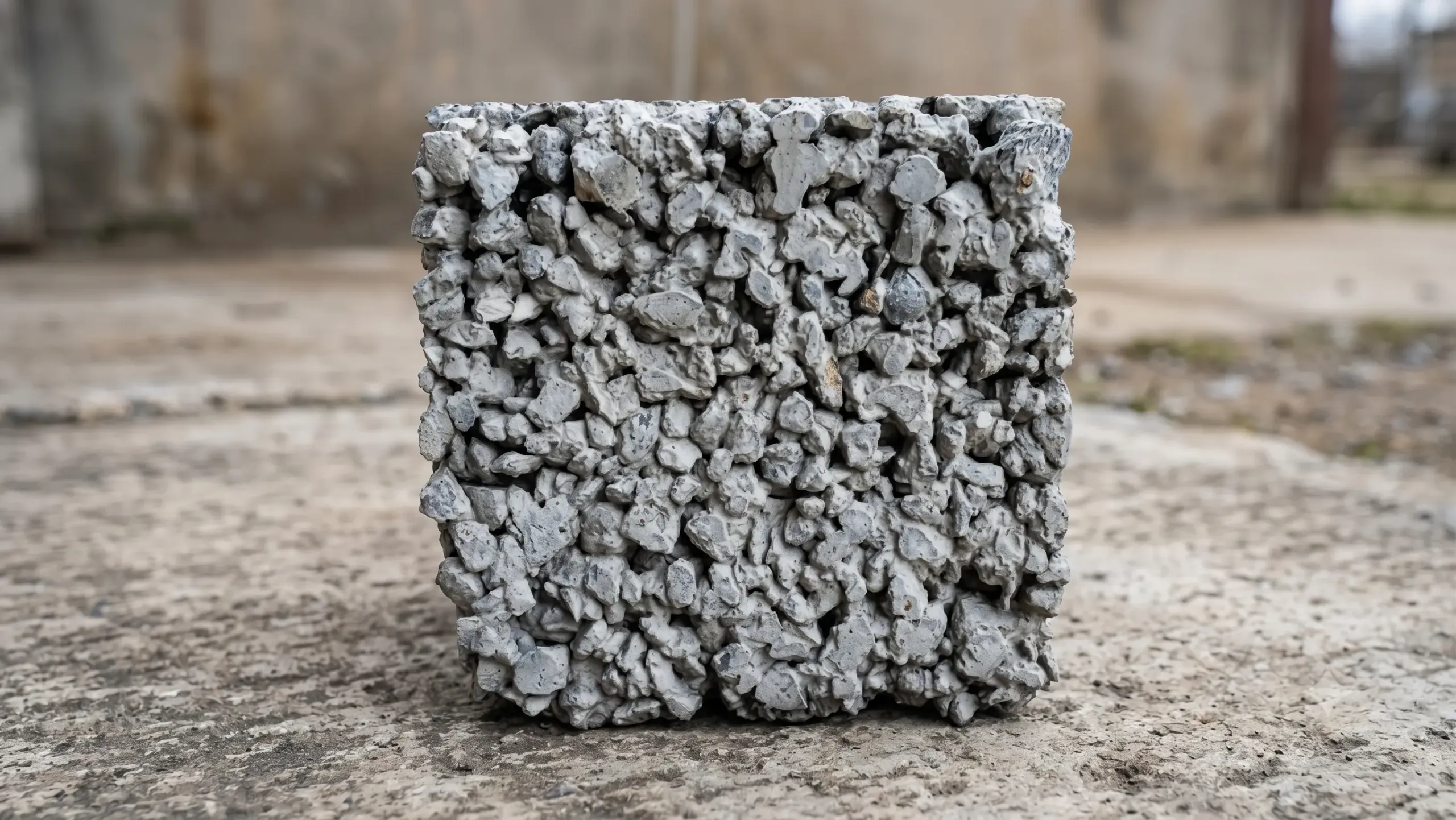
Pervious Concrete is a specially designed ready-mix with interconnected voids that allows rainwater to pass through the surface. It offers effective drainage, groundwater recharge, and reduced runoff, suitable for pavements, parking areas, and walkways in urban projects.
5–20 MPa
0–20 mm
100–150 mm
7 Days
270–400 kg/m³
1–3.5 MPa
15–25% by volume
Within 60 Minutes
Key Benefits:
- Allows rapid drainage and reduces surface water runoff
- Supports natural groundwater recharge in urban areas.
- Reduces the need for separate stormwater drainage systems.
- Improves skid resistance and safety on wet surfaces.
- Helps lower the heat island effect with lighter surfaces.
- Meets sustainable and green building requirements.
Technical Specifications:
- Grade Range: M10 to M25
- Void Content: 15% to 35%
- Infiltration Rate: 100 to 700 L/min/m²
- Water-Cement Ratio: 0.27 to 0.35
- Aggregate Size: Single-sized 10 mm to 20 mm
- Unit Weight: 1600 to 2000 kg/m³
Applications:
- Parking lots, driveways, and walkways
- Footpaths, cycle tracks, and pedestrian plazas
- Low-traffic roads and service lanes
- Gardens, play areas, and landscape surfaces
- Sub-base layers for stormwater management
Advantages:
- Excellent water permeability during heavy rainfall
- Reduced waterlogging and ponding on paved surfaces.
- Durable performance when properly placed and cured.
- Low maintenance with periodic vacuum or pressure cleaning.
- Contributes towards IGBC and LEED green building credits.
Pavement Quality Concrete (PQC)
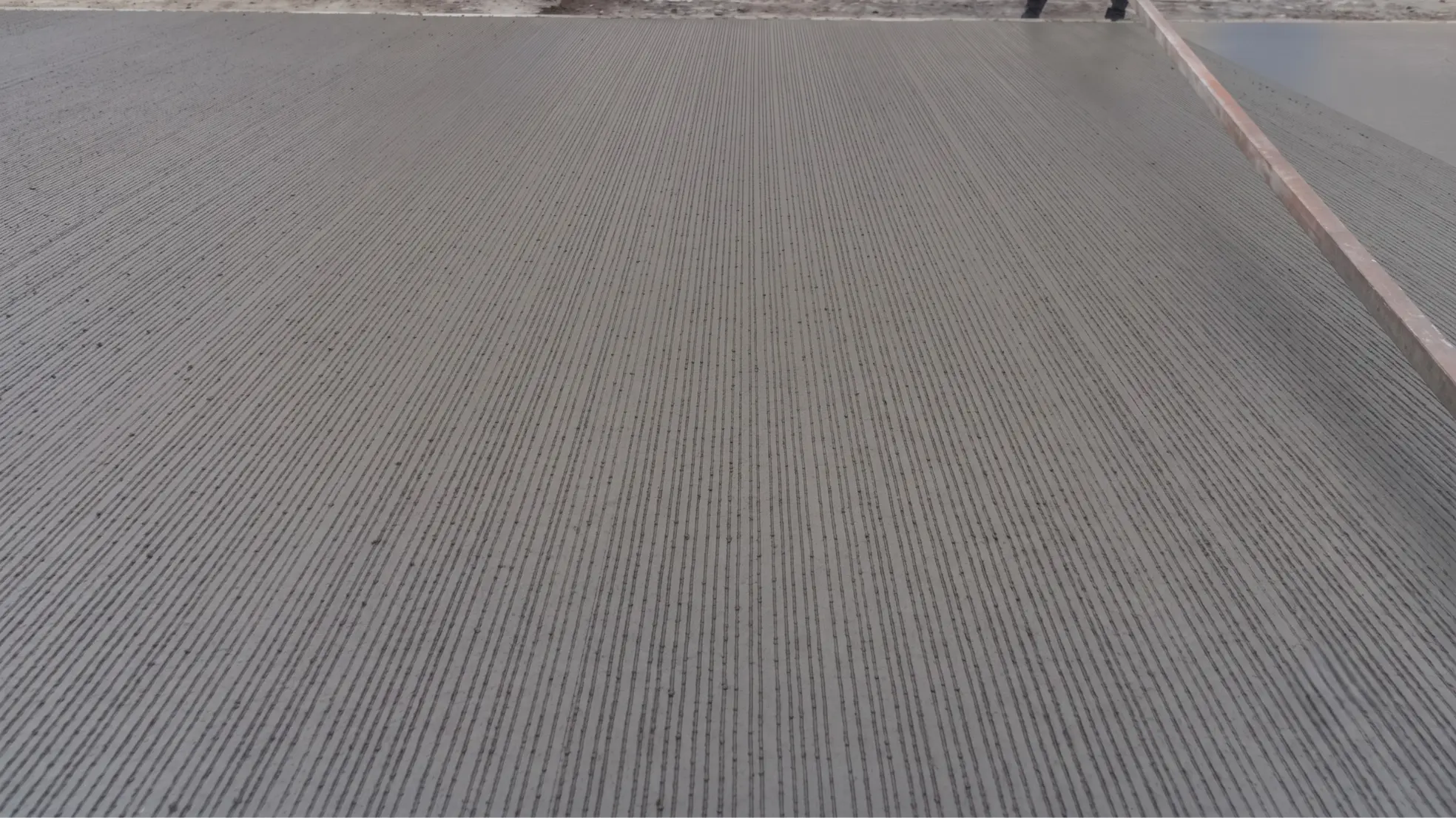
Pavement Quality Concrete (PQC) is a high-strength ready-mix designed for rigid pavements carrying heavy and repetitive traffic loads. It offers high flexural strength, excellent abrasion resistance, and long service life, suitable for highways, airport runways, and industrial yards.
4.5 MPa min
40 MPa min
30+ Years
14 Days
200–350 mm
4.5 m (typical)
Slip-Form / Fixed-Form
After 28 Days
Key Benefits:
- High flexural strength for heavy axle load resistance.
- Long service life with minimal maintenance needs.
- Excellent resistance to abrasion and surface wear.
- Reduced rutting and deformation under heavy traffic.
- Better performance in fuel spill and wet conditions.
- Lower life-cycle cost compared to flexible pavements.
Technical Specifications:
- Slump: 25 to 50 mm (fixed-form) or 0 to 25 mm (slip-form)
- Water-Cement Ratio: Maximum 0.45
- Cement Content: 340 to 425 kg/m³
- Aggregate Size: 20 mm and 40 mm graded
- Air Content: 4% to 6% (where required)
Applications:
- National and state highways
- Airport runways, taxiways
- Container yards, ports, and logistics parks
- Industrial roads and heavy-duty yards
- Bus terminals and truck parking areas
- Urban arterial roads and expressways
Advantages:
- Consistent performance under heavy and repetitive loading.
- Smooth riding surface with good skid resistance.
- Reduced maintenance and repair frequency.
- Strong resistance to weather and chemical exposure.
- Suitable for mechanised paving and large-scale projects.
Dry Lean Concrete (DLC)
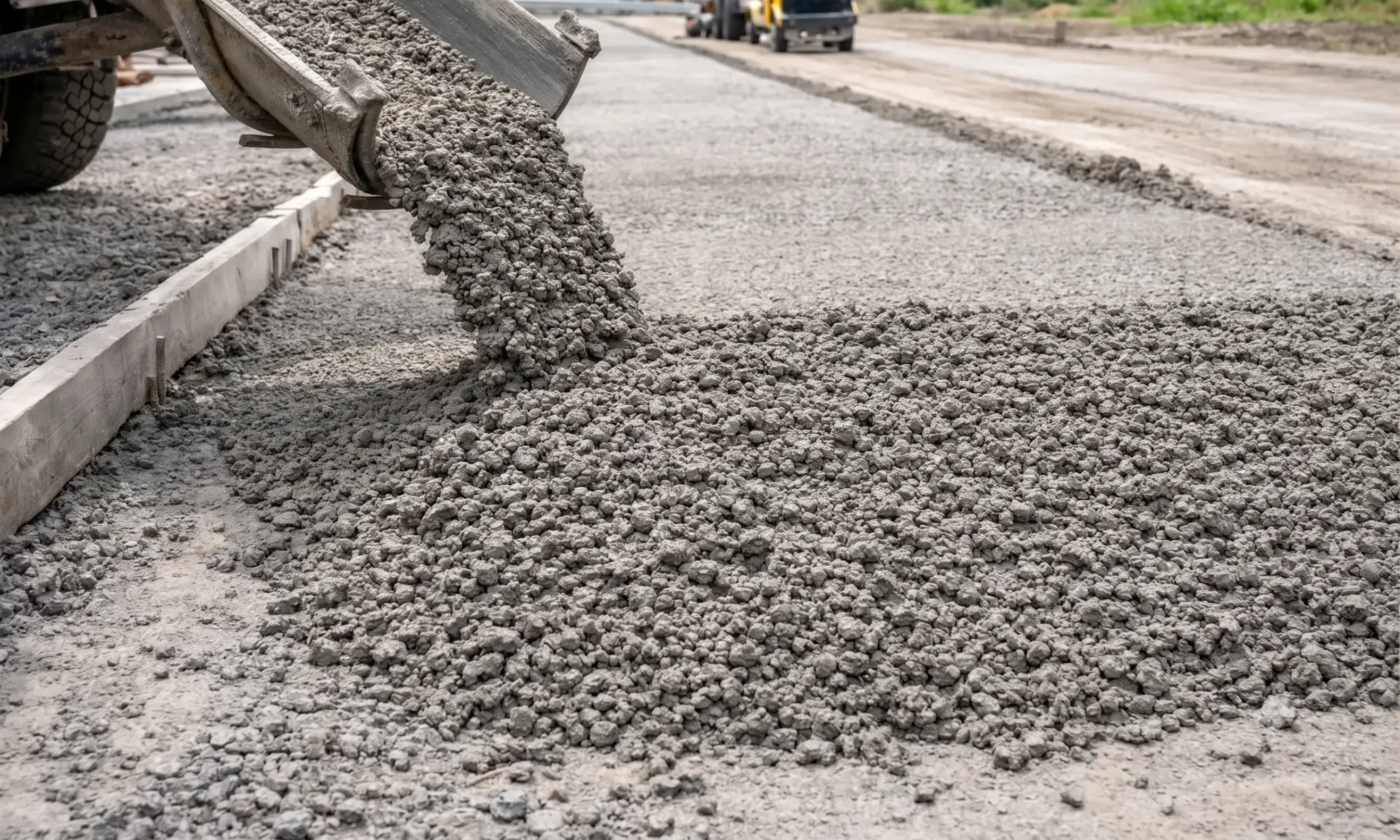
Dry Lean Concrete (DLC) is a low-cement, zero-slump ready-mix designed as a strong and stable sub-base for rigid pavements. It offers uniform support, high load distribution, and a smooth working platform, suitable for highways, airport pavements, and industrial yards.
Sub-Base Course
150-200 mm
Vibratory Roller
OPC / PPC
Within 90 Minutes
7 Days
Polythene Sheet
Key Benefits:
- Provides uniform and rigid support to the concrete slab.
- Improves load distribution and reduces slab stresses.
- Prevents pumping and loss of subgrade fines.
- Creates a smooth, stable platform for paving machines.
- Economical due to low cement content in the mix.
- Enhances overall durability of the pavement structure.
Technical Specifications:
- Grade Range: M7 to M10
- Cement Content: 150 to 200 kg/m³
- Aggregate Size: 26.5 mm maximum, graded
- Consistency: Zero slump, compacted at optimum moisture content
- Compressive Strength (7 Days): 10 MPa minimum
- Compaction Density: Minimum 98% of maximum laboratory dry density
Applications:
- Sub-base for concrete highways and expressways
- Airport runways, taxiways, and aprons
- Container yards, ports, and logistics parks
- Industrial roads and heavy-duty yards
- Bus terminals and truck parking areas
- Urban roads with rigid pavement
Advantages:
- Stable support under heavy and repetitive traffic loading.
- Reduced risk of slab cracking and differential settlement.
- Fast construction with mechanised laying and compaction.
- Strong resistance to erosion and moisture-related damage.
- Cost-effective sub-base solution for long-life pavements.
Early Strength Concrete
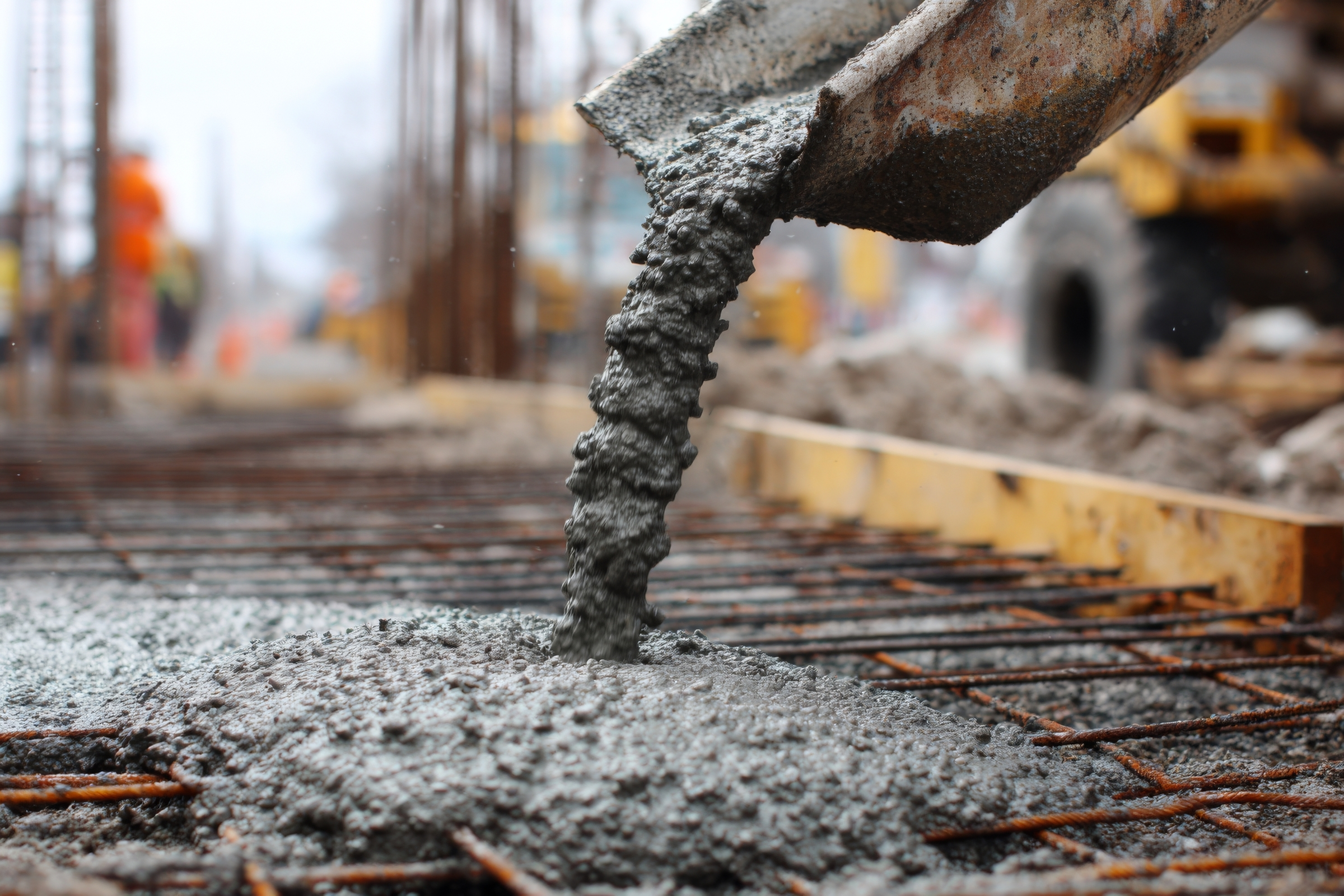
Early Strength Concrete is a specialized concrete mix designed to achieve exceptionally high strength within the initial hours and the first 1–3 days. It incorporates carefully engineered cementitious materials, advanced admixtures, and optimized aggregate gradation to ensure rapid hardening, early load-bearing capability, and accelerated construction cycles. This mix is widely used in fast-track construction, the precast industry, structural repairs, and emergency works where quick strength development is critical.
8–25 MPa
15–35 MPa
25–45 MPa
30–120 Min
80–150 mm
6–12 Hours
12–24 Hours
M20–M50
High
A+
Key Benefits:
- Rapid early strength development
- Faster load-bearing capability
- Reduced construction cycle time
- Ideal for precast and fast-track projects
- Minimizes project delays
- Superior performance in cold weather concreting
- Enhanced durability & lower permeability
- Supports early formwork removal
Technical Specifications:
- Early Strength Range: Very High
- Strength Achievement: 1–3 Days
- Grade Options: M20–M50
- Setting Time: Accelerated
- Workability: Medium to High
- Admixtures Used: High-performance accelerators
- Water–Cement Ratio: Low
- Temperature Suitability: Excellent for cold weather
- Durability Class: High Exposure
- Compatibility: Suitable for precast molds & rapid repairs
Applications:
- Fast-track construction
- Precast concrete manufacturing
- Industrial shutdown repairs
- Emergency structural repairs
- Bridges & highway repair works
- Pavement and road slab replacement
- Retrofitting and strengthening
- Cold weather concreting
- Metro, airport & transport infrastructure
- Projects requiring early load application
Advantages:
- Achieves high strength within 1–3 days
- Perfect for emergency or time-sensitive works
- Reduces downtime on construction sites
- Improves productivity for contractors
- Works efficiently in low-temperature environments
- Better scheduling flexibility for project timelines
- Enables faster repair and reopening of structures
- Compatible with multiple admixtures and additives
- Enhanced bonding and structural integrity
- Ideal for infrastructure & industrial upgrades
Temperature-Controlled Concrete
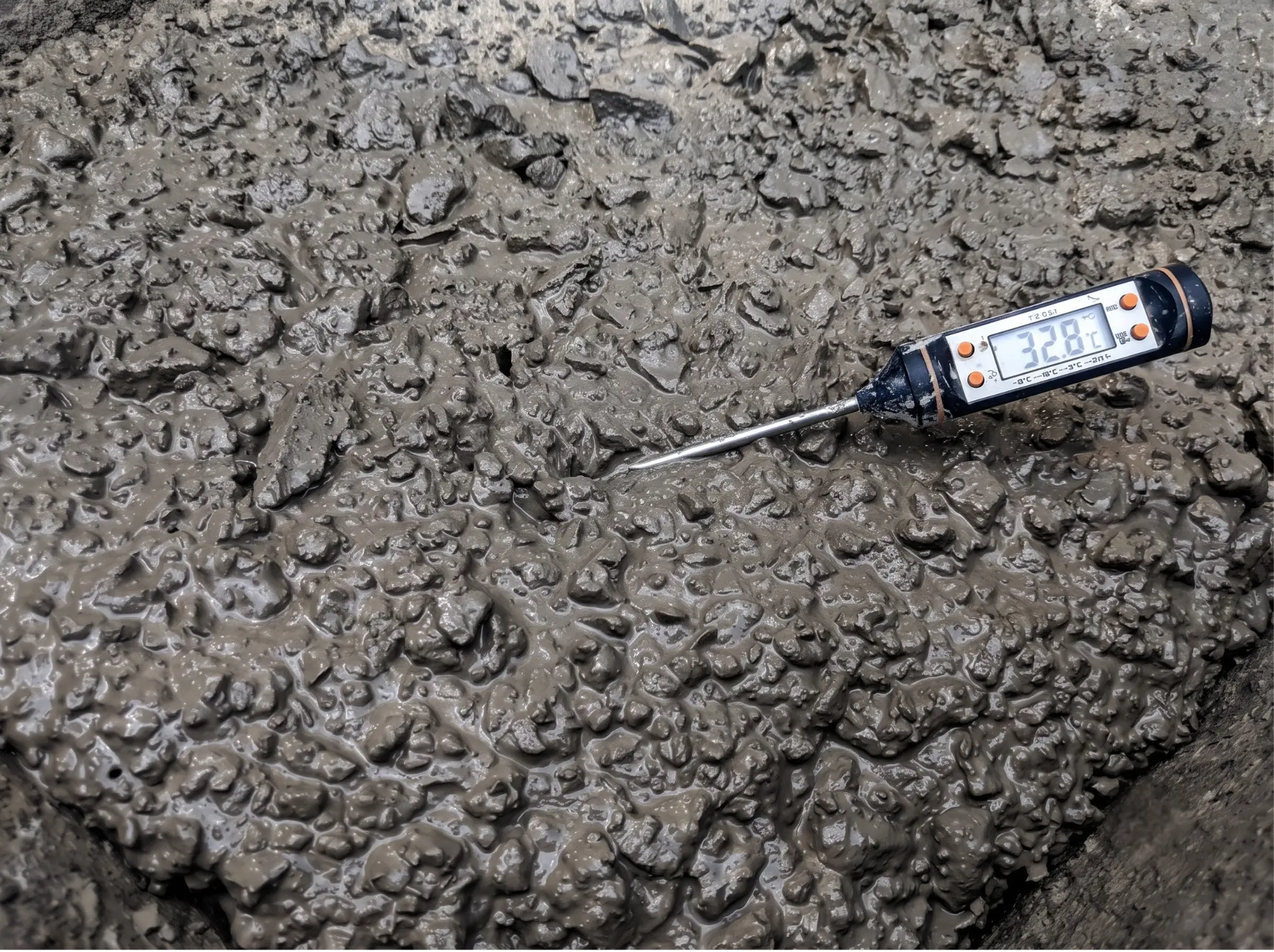
20°C max (typical)
20°C max (core to surface)
Chilled Water / Ice / Liquid Nitrogen
30–50 MPa
PPC / PSC / Blended
14 Days
Thermocouples / Sensors
Key Benefits:
- Controls heat of hydration and limits thermal cracking.
- Maintains consistent workability in hot weather conditions.
- Ensures uniform strength development in thick sections.
- Reduces risk of early-age thermal stresses in structures.
- Improves long-term durability and service life.
- Supports safe and continuous placement of mass pours.
Technical Specifications:
- Grade Range: M25 to M50
- Placing Temperature: 10°C to 25°C (as per project requirement)
- Maximum Concrete Temperature at Delivery: 30°C to 35°C
- Water-Cement Ratio: Maximum 0.45
- Cementitious Content: 300 to 400 kg/m³ with fly ash or GGBS
- Slump: 75 to 150 mm
Applications:
- Mass concrete foundations and raft slabs
- Dams, barrages, and retaining structures
- Bridge piers, abutments, and pile caps
- Thick transfer slabs and heavy-duty footings
- Nuclear, power, and industrial plant structures
- Hot-weather concreting in large-scale projects
Advantages:
- Reduced risk of thermal cracking in large pours.
- Stable performance under high ambient temperatures.
- Controlled setting time for better workability and finishing.
- Better long-term strength with blended cementitious materials.
- Suitable for large-volume and continuous concreting projects.
Lightweight Concrete
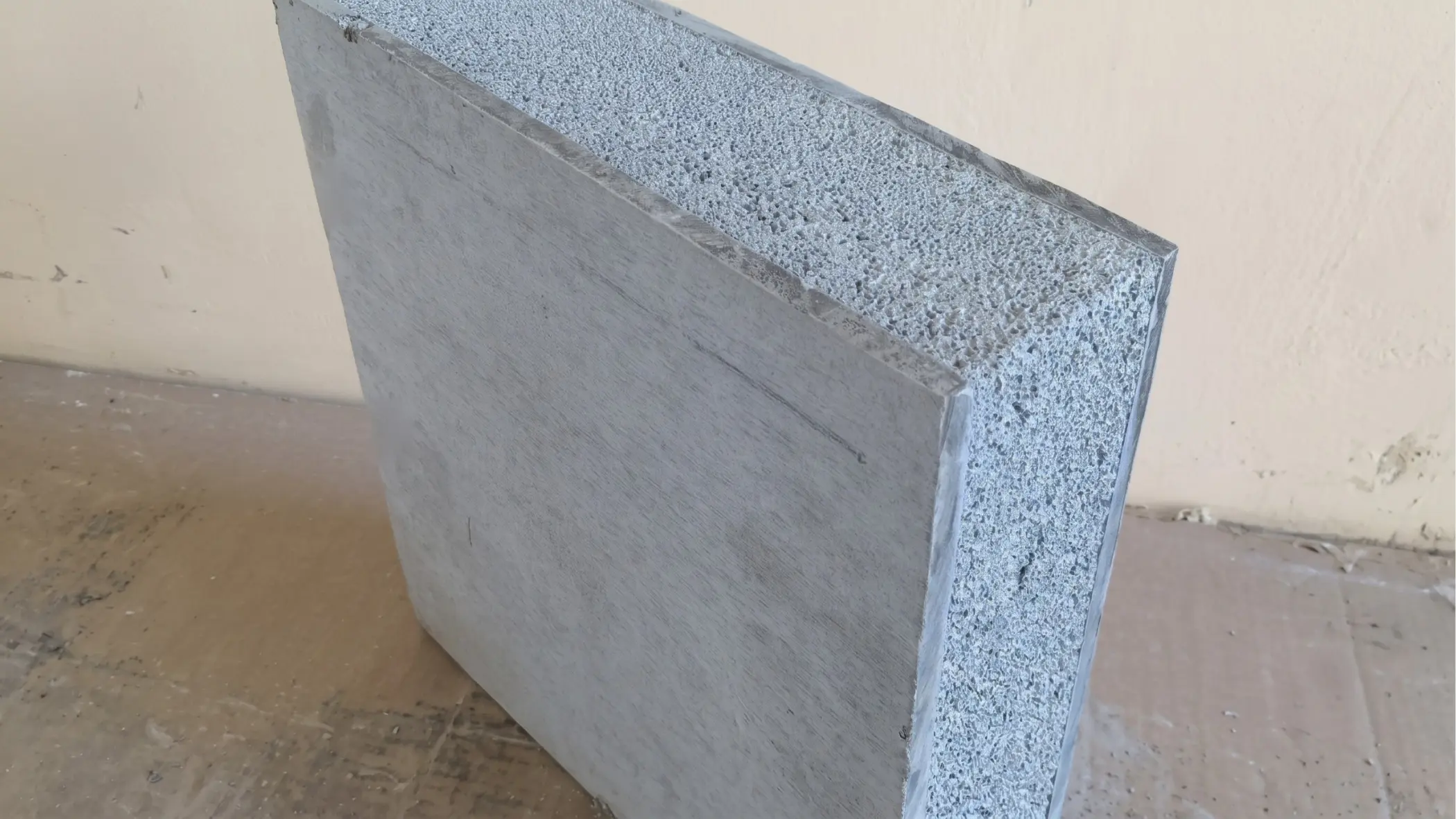
20-30% (typical)
0.3-0.8 W/mK
Up to 4 Hours
10-40 MPa
Expanded Clay / Fly Ash / EPS
7 Days
Pump / Crane & Bucket
Key Benefits:
- Reduces dead load and overall structural weight.
- Provides good thermal insulation for energy-efficient buildings.
- Lowers foundation and reinforcement requirements.
- Offers better fire resistance than conventional concrete.
- Improves acoustic insulation in floors and walls.
- Easy to handle, pump, and place at height.
Technical Specifications:
- Grade Range: M10 to M30
- Density Range: 1200 to 1900 kg/m³
- Water-Cement Ratio: 0.40 to 0.55
- Cement Content: 300 to 450 kg/m³
- Aggregate Size: 4 mm to 12.5 mm lightweight aggregate
- Slump: 75 to 125 mm
Applications:
- Roof slabs, terrace insulation, and floor fills
- High-rise building slabs and podium decks
- Precast wall panels and partition blocks
- Bridge decks and long-span structures
- Insulation layers for industrial and commercial buildings
- Slopes and backfill over weak or soft soil
Advantages:
- Reduced seismic forces due to lower structural mass.
- Faster construction with lighter precast elements.
- Lower transportation and handling costs.
- Improved energy efficiency through better insulation.
- Stable performance with proper mix design and curing.
Water Resistant Concrete
Waterproofing Concrete is a specially engineered mix designed to effectively resist water penetration, dampness, and chemical ingress. It incorporates integral waterproofing admixtures (IWP) and optimized particle packing, which significantly enhance the concrete’s durability, density, and long-term performance. This type of concrete is an ideal solution for basements, water tanks, retaining walls, and other moisture-sensitive structures.
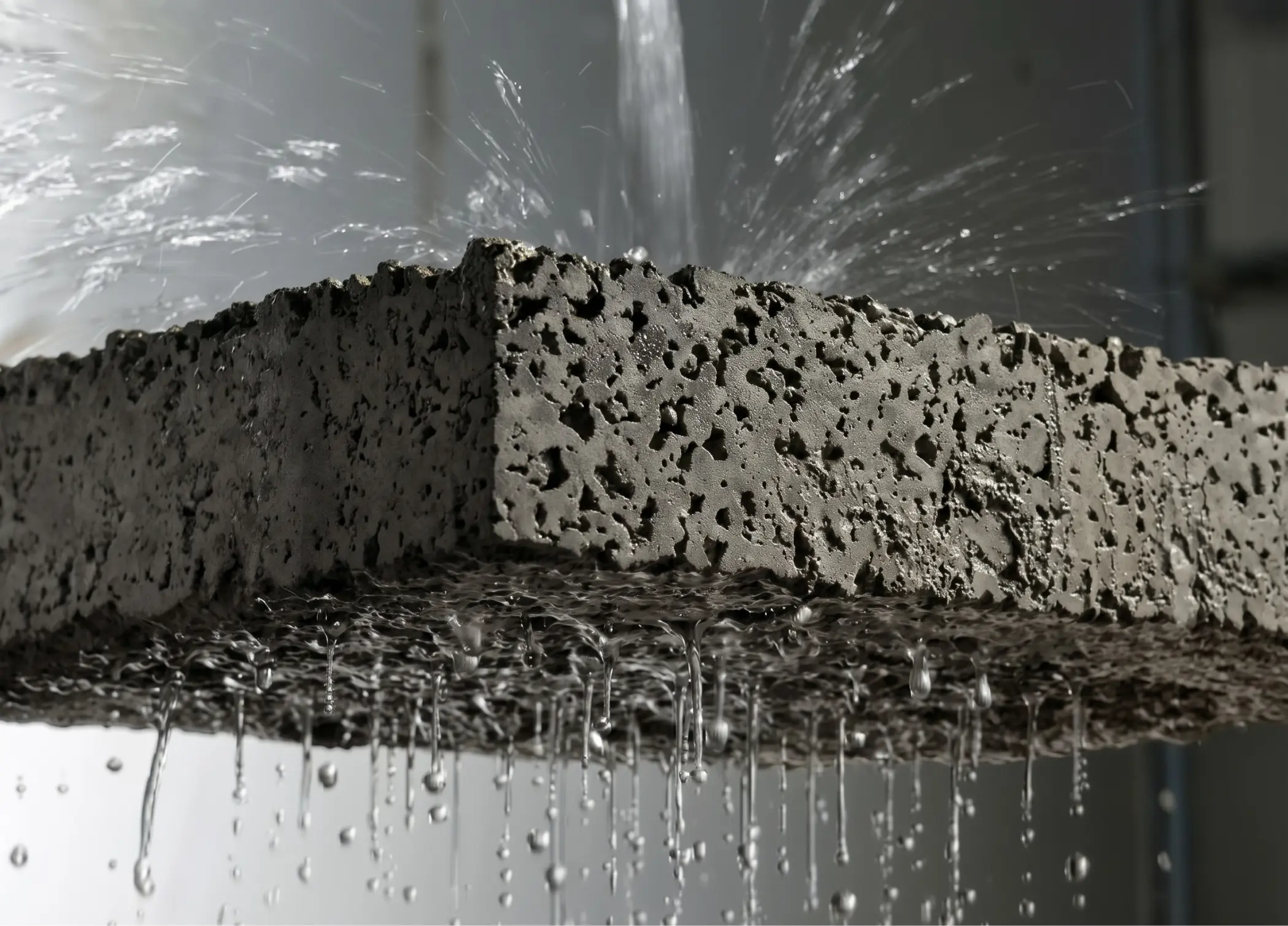
< 2%
Very Low
M20–M50
0.35–0.45
2400–2500 kg/m³
High
Enhanced
Reduced
IWP Based
Long-Term
Key Benefits:
- Zero/Low Water Penetration
- Moisture Damage Protection
- Crack Resistance
- Enhanced Durability
- Better Structural Life
- Improved Density and Strength
- Reduced Maintenance Needs
- Chemical & Sulfate Resistance
Technical Specifications:
- Grade Range: M20–M50
- Permeability Index: Very Low
- Water Absorption: < 1–2%
- Capillary Suction: Reduced
- Water–Cement Ratio: 0.35–0.45
- Density: 2400–2500 kg/m³
- Admixture Type: Integral Waterproofing Compound
- Chloride Content: Within IS:456 Limits
- Workability: High
- Durability Class: Enhanced
Applications:
- Basements & Foundations
- Water Tanks & Reservoirs
- Swimming Pools
- Underground Parking
- Tunnels & Subways
- Retaining Walls
- Wet Areas (Bathrooms, Kitchens)
- Sewage & Drainage Structures
- STP/ETP Plants
- Dams & Canal Linings
Advantages:
- Integral Waterproofing — no additional surface coating required
- Long-Term Protection — prevents seepage, dampness & leakage
- High Density Mix — minimizes capillary absorption
- Improved Structural Integrity
- Better Thermal Stability
- Lower Permeability Index
- Ideal for Underground Structures
- Works in Harsh Weather Exposure
- Cost-Effective Over Time
- Enhanced Crack Bridging Capability